I’m really excited for Dune: Prophecy, the spin-off series coming to streaming later this month. I love Denis Villeneuve’s films, the books and the universe as a whole (and yes, I really love the Lynch version). Promising to be a series rife with political intrigue and interpersonal drama, Prophecy is set to be the next big streaming TV obsession now that The Penguin is finished for the year.
Unfortunately, my excitement is marred by the fact that we can’t leave one specific reference point out of TV review lexicon. In essence, we can’t stop comparing shows to Game of Thrones.
I read The Wrap’s pre-review, literally titled “Dune Prophecy…is like Game of Thrones in space“. IndieWire says Prophecy is attempting to muscle in on “Game of Thrones‘ turf“. Rolling Stone insinuates Prophecy “would simply love to be a sci-fi Game of Thrones“. Collating a number of other review sources together, Rotten Tomatoes makes it clear that the vast majority of professional critics are using Game of Thrones as a thematic and narrative touchstone.
On its face this might not be an unwarranted comparison. Both shows inhabit large universes with huge scale and broad scope. They’re based off well-known and bestselling novels. Some critics claim Prophecy has similar aesthetics to Thrones, and the show will almost certainly shoot the money by having epic sci-fi scenes akin to the grandiosity of both Thrones and its prequel, House of the Dragon. Maybe the similarities aren’t to be discounted.
But the problem isn’t just about Dune: Prophecy. It’s about every other recent big-budget, politically-driven cinematic TV series – regardless of genre – being compared to that one fantasy show with all the sex and dragons. A show which, if you’ll recall, ended quite badly and left a bad taste in viewers’ mouths. So why are we stuck on it?
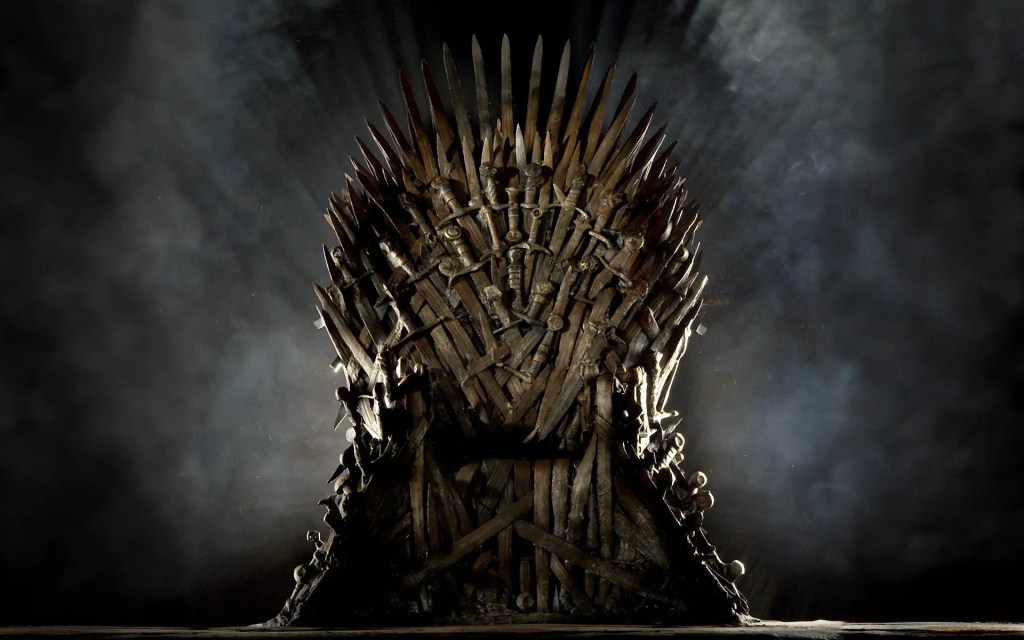
Sometimes the comparison makes sense. Beyond comparing Thrones to its prequel sister series, there’s some merit in stacking up other fantasy shows like The Wheel of Time, The Witcher and The Rings of Power. To varying degrees these shows operate in a TV genre that doesn’t have the easy mainstream appeal of crime dramas or sitcoms, requiring a direct appeal for audience investment. An easy sell for the non-fantasy viewers would be something they’re familiar with, since Thrones managed to bridge gaps and bring a variety of audiences to the couch each week.
But other times, pairing shows with Thrones is maddening. Gruesome superhero satire The Boys is seen as “spiritually” nicking most of Thrones‘s approach to sex and violence. Android uprising sci-fi puzzle box Westworld was not only compared early and often thanks to being on the same network as Thrones, but even played with the idea of making Westeros one of its Parks. Being a fellow HBO series, the family drama of Succession drew associations to Thrones with at least one reviewer inferring the boardroom battle for WaystarRoyco isn’t that different from the epic war for the Iron Throne. Hell, even The Penguin – mentioned at the top of this piece as a very successful show, focusing on a grounded noir crime saga in the superhero genre as far away from the grand scope of fantasy as it is possible to get – doesn’t escape the comparison.
Anecdotally, I’ve heard and seen viewers invoke Thrones when a big show comes around. The Crown deals with similar internecine political struggles. The Gilded Age has a similar commitment to aesthetic scale. The Expanse was Thrones IN SPACE years before Dune: Prophecy did it. Star Trek: Discovery and Star Trek: Picard both took Thrones cues by adding swearing, sex and gore to a previously-PG franchise. Name a big show, chances are good someone has tied it to Westeros.
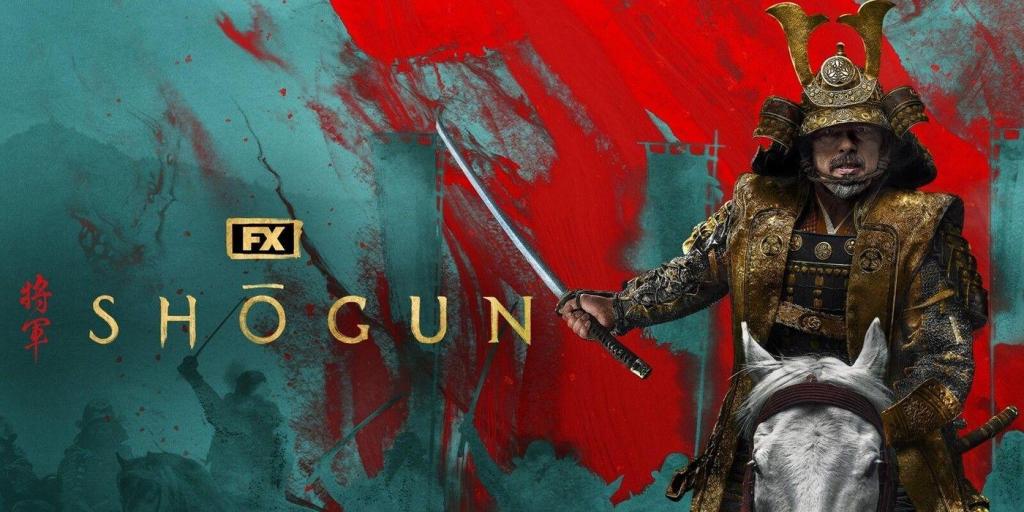
This issue came into sharp focus for me as I was writing a conference paper about Shōgun. The 2024 adaptation of James Clavell’s beloved novel is a series that I love, not just as a fan of epic storytelling but as an enthusiast on Japan’s language, culture and history. Though it was created and produced by an American channel and team, the show was strongly influenced on every level by its Japanese crew – spearheaded by lead actor and producer Hiroyuki Sanada – to the point where one could be forgiven for thinking it’s a wholly-Japanese production. It was heartening to see the show not only take off as a massive critical success (rewarded with multiple Emmys) but draw in viewers to a series and culture not often focused upon in mainstream TV discourse. It’s rare for a non-English-focused show to garner the kind of acclaim and attention afforded to Shōgun, with outliers like Squid Game (South Korea) and Money Heist (Spain) being exceptions to prove the rule.
But of course, that pesky dragon show had its spectre raised once again.

The above screenshot is from my conference paper draft, where I talk about the prolific references critics made between Shōgun and Thrones; the examples above are only a light drizzle compared to the absolute deluge of similar comparisons online. Because Shōgun is an epic, sweeping show with high production value, rich interpersonal drama, superlative acting, excellent music, a blunt approach to sex and violence (though nowhere near as flagrant or gratuitous) and a strong political focus, that means it’s clearly a cousin to Thrones. The success of a show looking outside the West becomes, in part, dependent on bringing a dragon-shaped millstone with it.
Relying on Thrones as a televisual reference point isn’t just lazy, it troublingly associates a show with the baggage Thrones carries. For example, let’s say Shōgun is like Game of Thrones – acknowledging that, like Dune, we’re dealing with a very popular and beloved book adaptation – and we’re going to look at it beyond the aesthetic and budgetary “epic scope” that the comparison seeks to render. Does that mean Shōgun will also have a similarly disappointing ending that turns the series title into something akin to a swear word? Will it have writers who veer too far from the source material for their own hackneyed plots? Does Shōgun also feature frequent, extremely troubling and wanton depictions of martial and sexual violence against women? This may not be what critics are implying when they associate a show with Thrones, and I admit I’m being a bit facetious here. But it also shows there is a danger in using only one reference point for big budget, epic franchise stories like this.
Moreover, as both a television scholar and a fan of TV shows, I’m bored by the comparison. Game of Thrones began airing thirteen years ago; plenty of shows – including the ones I mentioned above and others like The Last of Us, Stranger Things, Black Sails, Outlander and more besides – have aired since then with similar caliber of budget and grand scale. The same goes for tense and enthralling interpersonal dramas – look no further than The White Lotus, Mindhunter, Andor, Better Call Saul, and so many others that don’t need a link to Thrones to be successful. The television reference pool for big-budget storytelling is so much wider and deeper than some would have us believe.
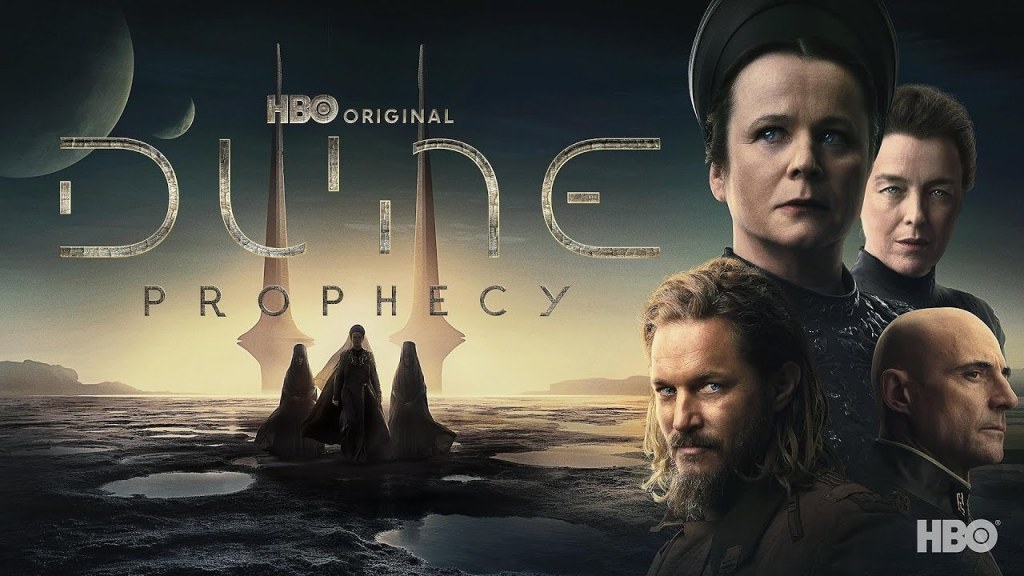
Regardless of my griping, I’m sure Dune: Prophecy will hook in some Game of Thrones expats precisely because of that parallel. Perhaps Prophecy will do such a good job at becoming the new high watermark for epic storytelling, uniting fragmented audiences worldwide so adeptly that it will replace Thrones as the standard against which other big budget shows will be set (though given the specific appeal of the Dune-iverse I doubt it). But in either case, is there a way we can please leave aside comparisons to the works of George R. R. Martin as the One True TV Show against which all others are judged – or, at least, can we compare to a show that’s actually one of those works?



 Lives On Screen
Leave a comment